Navigating the steep mountain grades, unpaved backroads, and winter-worn asphalt around Oakland, MD and Morgantown, WV takes a toll on your vehicle. Whether you drive a daily-driven 4×4, a heavily loaded work truck, or a dedicated off-road rig, your suspension system absorbs constant abuse.
Over time, shocks wear down, leaf springs sag, and ball joints loosen. Ignoring early warning signs doesn’t just ruin your ride quality—it compromises handling, causes premature tire wear, and puts your safety at risk.
Here is what every truck and SUV owner needs to know about identifying suspension damage, how regional terrain accelerates wear, and how to get your vehicle driving like new again.
What Does a Vehicle Suspension System Do?
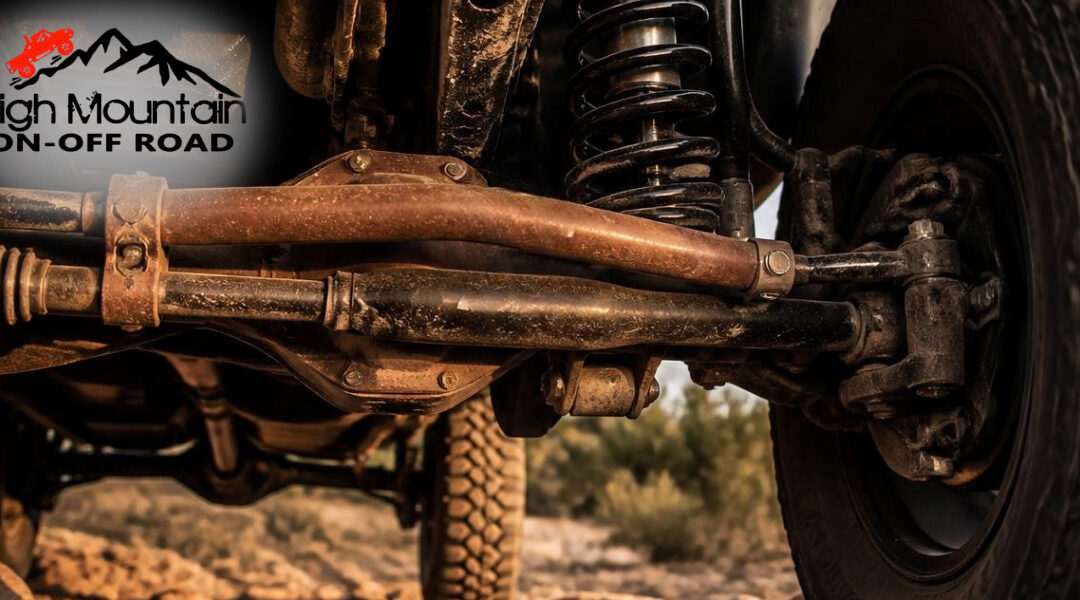
Your vehicle’s suspension connects the frame to the wheels. It consists of shocks, struts, springs, control arms, sway bars, and bushings working together to perform three vital functions:
-
- Maintain Tire Contact: Keeps all four tires firmly on the ground for maximum traction and braking performance.
- Absorb Impact: Cushions your chassis from bumps, ruts, potholes, and rough trails.
- Control Body Motion: Prevents excessive body roll during sharp turns, nose-diving during sudden stops, and rear-end squatting while towing.
When any component in this network wears out, the entire system suffers.
5 Clear Signs Your Suspension Needs Repair
If you notice any of the following symptoms while driving through Garrett County or Monongalia County, your suspension requires immediate professional inspection:
Excessive Bouncing or Rough Ride
If your truck bounces multiple times after hitting a bump, railroad crossing, or pothole, your shock absorbers or struts have lost their dampening ability. Worn shocks can no longer control spring movement, leading to an unstable, floating feel at highway speeds.
Uneven or Rapid Tire Wear
Are the inner or outer edges of your tire tread wearing down faster than the center? When suspension components like control arm bushings or ball joints loosen, tire alignment shifts out of specification. This drags your tires sideways as you drive, shredding expensive tread prematurely.
Clunking, Popping, or Creaking Noises
Hear a metallic clunking sound when driving over rough terrain or turning the steering wheel?
-
- Clunking over bumps: Often indicates failed shock mounts, worn sway bar links, or loose control arm bushings.
- Popping while turning: Point to worn ball joints or failing constant-velocity (CV) joints.
Vehicle Pulling or Drift
If your truck drifts to one side on a straight, flat road, damaged suspension components, uneven spring sag, or misaligned steering geometry could be to blame.
Nose-Diving, Squatting, or Body Roll
A healthy suspension keeps your vehicle level during weight shifts. If the front end dips dramatically under braking, the rear sags under light loads, or the cab leans heavily in corners, your shocks and springs are no longer supporting the vehicle’s weight properly.
Why Mountain Terrain Accelerates Suspension Wear in MD & WV
Appalachian terrain subjects trucks and 4x4s to harsh operating conditions:
-
- Potholes & Frost Heaves: Freeze-thaw cycles during Allegheny Mountain winters create deep potholes on routes like I-68, US-50, and Route 219, delivering sharp impact loads to struts and rims.
- Rough Off-Road Trails: Trail riding at Big Run State Park, Chestnut Ridge, or local backroads subjects ball joints, tie rods, and leaf springs to extreme articulation and stress.
- Towing & Heavy Loads: Hauling trailers, campers, or equipment through mountain inclines causes leaf springs to flatten and shocks to overheat faster than flatland driving.
The Danger of Delayed Suspension Repairs
Postponing suspension service creates a chain reaction of mechanical failures:
-
- Increased Stopping Distances: Worn shocks allow weight to transfer forward too quickly during hard braking, increasing stopping distance by up to 20%.
- Accelerated Component Wear: A failed shock forces springs, ball joints, and steering linkages to absorb extra impact, causing premature failure across the entire front end.
- Loss of Vehicle Control: Loose suspension geometry makes high-speed maneuvers or sudden steering corrections unpredictable, especially on wet or icy roads.
Professional Suspension Repair & Upgrades in Oakland & Morgantown
Whether you need factory-standard suspension repairs, leveling kit installs, or full performance lift kit systems, High Mountain Off Road provides expert service tailored to your driving needs.
Our technicians specialize in diagnosing complex steering and suspension issues for trucks, Jeeps, and 4×4 SUVs. From replacing worn shocks and ball joints to upgrading heavy-duty leaf springs, we get your vehicle ready for highway commutes and mountain trails alike.
Frequently Asked Questions
How often should truck shocks and struts be replaced?
Most manufacturers recommend inspecting shocks and struts every 50,000 miles. However, vehicles driven frequently off-road, on gravel roads, or used for heavy towing may require replacement sooner.
What is the difference between suspension repair and a lift kit installation?
Suspension repair replaces worn factory components (shocks, ball joints, bushings) to restore original ride quality and safety. A lift kit installation modifies or replaces factory suspension components to increase ground clearance, improve off-road capability, and accommodate larger tires.
Can I drive with a broken shock absorber?
While the vehicle may still move, driving with a broken shock is unsafe. It causes severe tire wear, reduces braking control, compromises vehicle stability during sudden turns, and increases stress on surrounding steering components.
Ready to Restore Your Ride Quality?
Don’t let worn suspension components ruin your tires or compromise your safety. Visit or contact the team at High Mountain Off Road today:
-
- Oakland, MD Location: 12534 Garrett Highway | (301) 334-5060
- Morgantown, WV Location: 3261 Earl L Core Road | (304) 291-9600